Providing custom high and low volume plastic injection molding of intricate shapes to today’s high standards is the core of what Ritz Plastics provides. Meeting our customer requirements efficiently and on time, is what sets Ritz apart from other molders.
OVERMOLDING
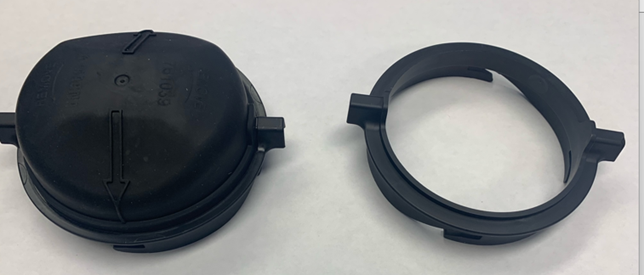
Overmolding, as the name suggests, incorporates two or more components that are molded over top of one another. The first component is made inside an injection mold, then placed into a second mold to add the over-molded material. This technique combines multiple plastics for either practical or aesthetic purposes. Ritz Plastics prides itself on being able to provide our customers with unique overmold products specific to their needs.
INSERT MOLDING
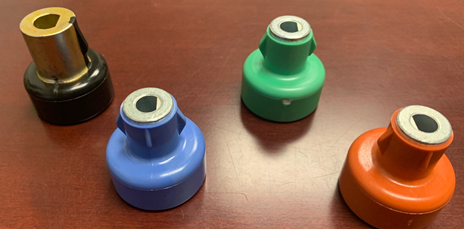
Insert injection molding is the process of molding or forming plastic parts around other, non-plastic parts, or inserts. The inserted component is most commonly a simple object, such as a thread or rod, but in some cases, inserts can be as complex
METAL REPLACEMENTS
Ritz works with customers to evaluate possible “Metal to Plastic” replacement opportunites. Some of the advantages of replacing Metal with Plastics, include:
Lower production costs
Decreased component weight
Removal of secondary processes (such as e-coat)
Increased structural integrity of the product with proper design changes
Lower expenses for packaging and shipping
Improved manufacturing cycle times
Predictable and repeatable manufacturing
Superior flexibility in design.
Longer product life
3D PRINTING
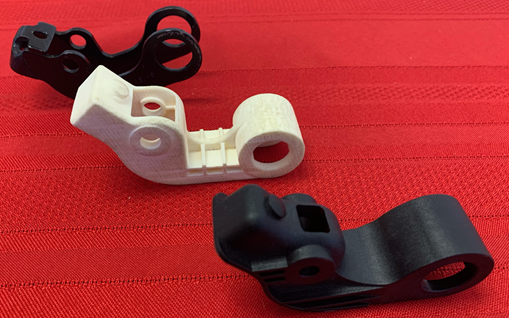
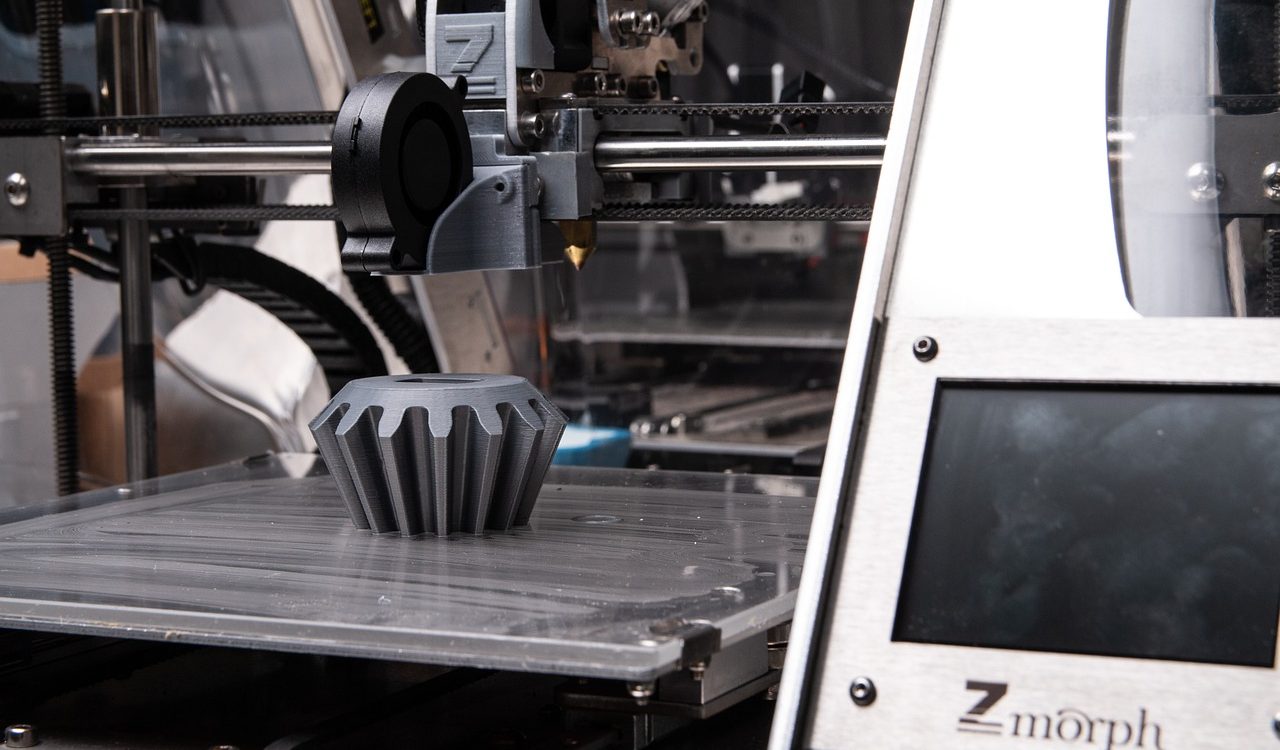
Ritz Plastics, working with a core group of suppliers, provides customers with the option of 3D printing their parts. We are able to produce quick models which can be used to change, adjust and improve the product so the customer gets exactly what they are looking for!
Prototype / Low Volume Production Tooling
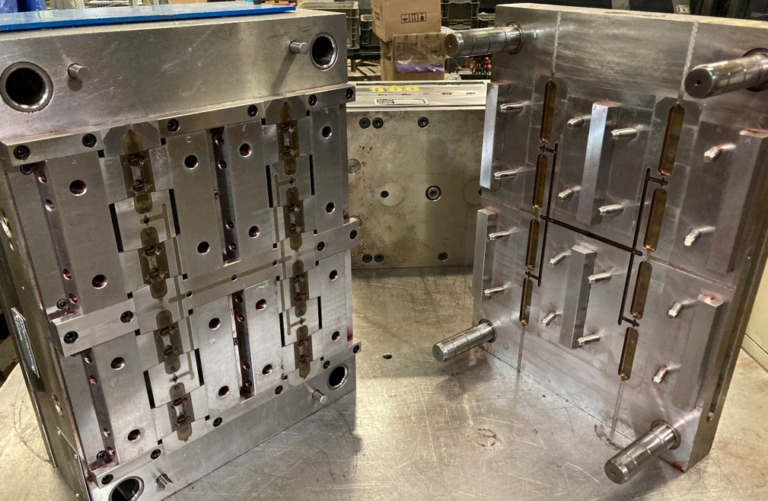
Aluminum prototype / low volume production tooling provides customers with molded components that can be used in assemblies for evaluation. Prototype / low volume production tooling manufactures parts using the same or similar production machines. Meaning, the molded component is representative of what customers will receive once the component is launched for production. Here at Ritz Plastics, we believe this is key to ensuring that our customers receive exactly what they are looking for.
PRODUCTION TOOLING
Using locally sourced (North American) tool shops, Ritz can provide production ready tooling to meet our customers’ requirements. Production tooling is typically manufactured from fully hardened high quality steel (H13 or 420 SS) incorporating a standardized tool design. Ritz can also provide low-cost country tooling options.
MATERIALS
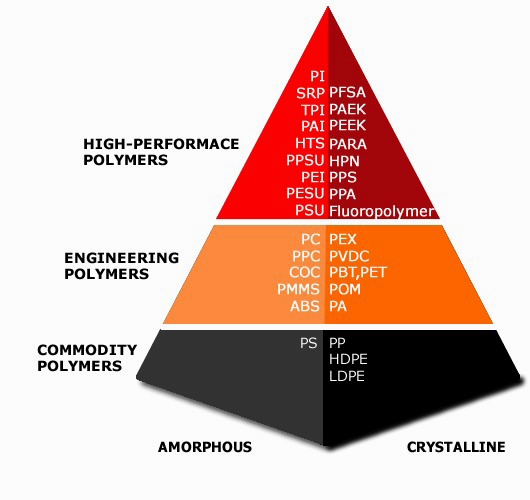
Ritz relies on customer recommendations for material selections and works with customers based on their design criteria and material selections to provide a plastic injection molded component that will meet their requirements. The various types of materials that we use are:
High Performance polymers are characterized by their superlative mechanical, chemical and thermal properties. Polymer types include Fluoropolymers, high-performance Polyamides, Polyketones and Polyphenylene Sulphide. Demand for high-performance polymers tends to be driven by new product development and innovation; as well as by regulatory controls (for example ATEX).
Engineering polymers have a structure that is random when liquid but becomes organized into crystalline groups when solid. They have a sharp melting point and have excellent mechanical properties such as stiffness and strength. These resins have high performance in tough applications when compared to non-engineering resins.
Commodity polymers generally exhibit lower mechanical properties, but are typically lower in cost compared to engineering polymers. They are used in a wide and diverse range of products, for example polythene bags (polyethylene), vacuum-formed food packaging (low density polyethylene) and disposable drinking cups (high impact polystyrene).